
Understanding gambling addiction A path to awareness and recovery
Defining Gambling Addiction
Gambling addiction, also known as compulsive gambling or gambling disorder, is characterized by an uncontrollable urge to gamble despite the negative consequences it may bring. Individuals afflicted by this condition often find themselves engrossed in gambling activities, prioritizing it over family, work, and other responsibilities. This behavior can lead to significant emotional and financial distress, affecting not only the individual but also their loved ones. Many players also turn to online casino neosurf to explore different gaming experiences.
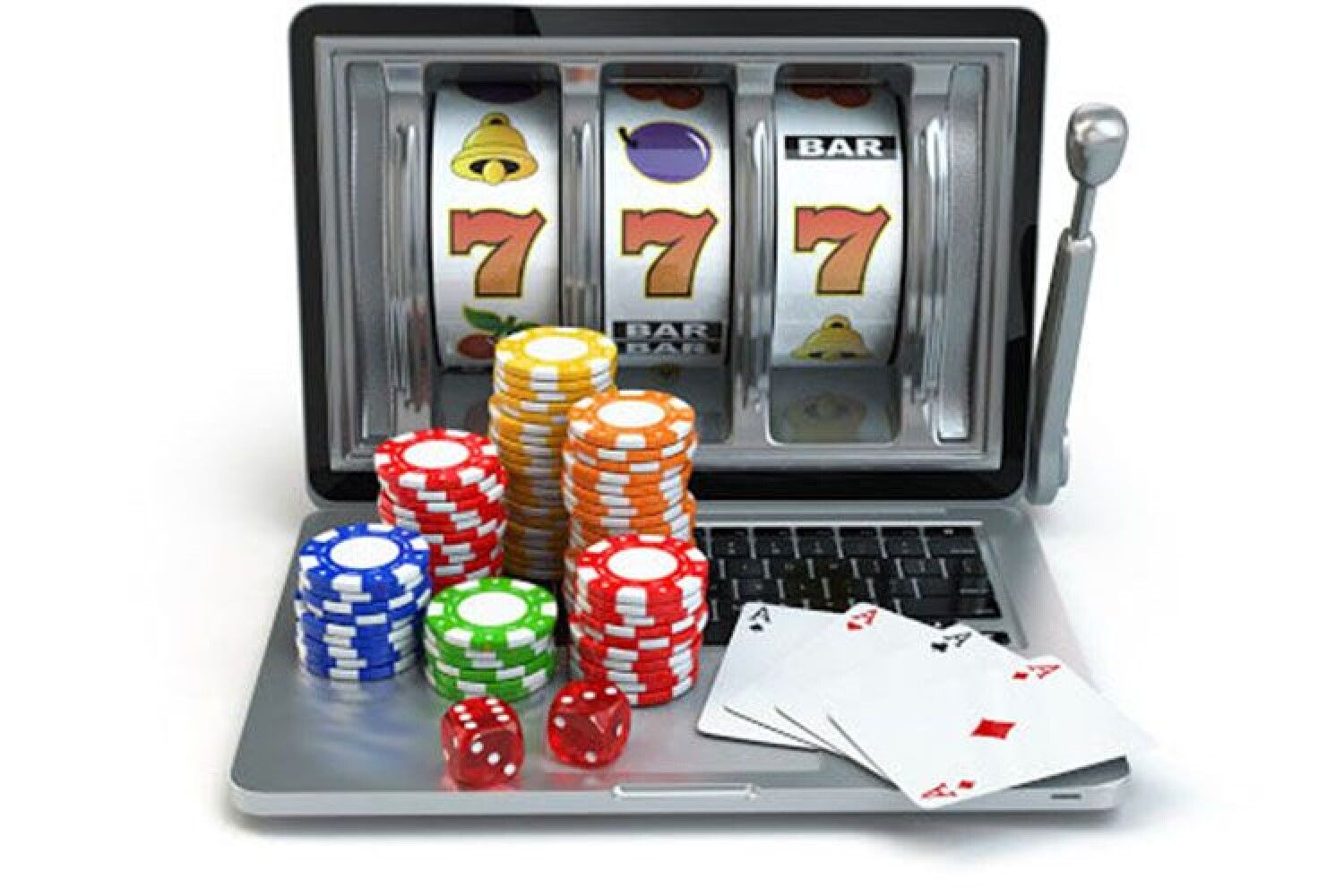
This addiction is often fueled by various factors, including psychological, emotional, and environmental influences. For example, those with underlying mental health issues such as depression or anxiety may turn to gambling as a form of escape. The thrill associated with gambling can become a temporary relief from these emotional challenges, thereby creating a cycle that is hard to break.
The impact of technology has also reshaped the landscape of gambling addiction. The rise of online casinos and mobile gambling apps has made it easier than ever for individuals to access gambling opportunities at any time and place. While this convenience can enhance entertainment, it simultaneously raises the risk of addiction, as individuals may gamble impulsively without considering the repercussions.
Signs and Symptoms of Gambling Addiction
Identifying the signs of gambling addiction can be crucial for early intervention and recovery. Common symptoms include preoccupation with gambling, an increasing need to gamble with larger amounts of money, and attempts to control or cut back on gambling without success. Additionally, individuals may experience restlessness or irritability when trying to reduce gambling, which further highlights their compulsive behavior.
Emotional symptoms are equally important to note. Many individuals struggling with gambling addiction may feel guilty, anxious, or ashamed about their behavior, yet find it challenging to stop. This emotional turmoil often leads to a cycle of escapism through gambling, where the individual seeks relief from their feelings through continued gambling, only to feel more guilt and shame afterward.
Behavioral changes can also be a red flag. These may include withdrawing from family and friends, neglecting responsibilities, and experiencing financial problems due to gambling debts. It’s important for loved ones to observe these changes and encourage the individual to seek help, as the earlier one recognizes these symptoms, the greater the chance for recovery.
The Role of Technology in Gambling Addiction
Technology has significantly transformed the gambling landscape, making it more accessible and appealing to a broader audience. Online casinos and betting platforms offer various games and betting options that attract users, especially the younger demographic. The convenience of gambling from home, coupled with the allure of potential winnings, can easily lead to addictive behaviors.
Additionally, social media and mobile applications have further integrated gambling into daily life. Many platforms utilize gamification strategies, such as rewards and achievements, to keep users engaged. This approach can reinforce the idea that gambling is a fun and rewarding activity, which can be particularly dangerous for those predisposed to addiction.
Moreover, the anonymity and privacy offered by online gambling can mask problematic behaviors. Users may feel more comfortable engaging in risky gambling activities without the immediate judgment of others. This shift necessitates greater awareness and preventive measures to combat the increasing prevalence of gambling addiction in the digital age.
Path to Recovery
Recovering from gambling addiction is a challenging yet achievable journey. The first step often involves recognizing the problem and admitting that help is needed. Many individuals find support through therapy, counseling, or support groups like Gamblers Anonymous, where they can share their experiences and learn from others who have faced similar challenges.
Professional treatment options may also include cognitive behavioral therapy, which helps individuals identify and change negative thought patterns associated with gambling. In some cases, medication may be prescribed to address co-occurring mental health conditions that contribute to gambling behavior. Each recovery path is unique, emphasizing the importance of a personalized approach to treatment.
Additionally, building a supportive network is vital for long-term recovery. Friends and family can play a crucial role in encouraging positive changes and providing emotional support. Establishing healthy coping mechanisms and engaging in alternative activities can also help individuals shift their focus away from gambling, paving the way for a more balanced and fulfilling life.

Finding Help and Resources
If you or someone you know is struggling with gambling addiction, there are numerous resources available for support and guidance. Many organizations provide confidential help through hotlines, support groups, and therapy programs. These resources can assist individuals in understanding their addiction and taking the necessary steps towards recovery.
Online forums and community groups can also be valuable, as they offer a platform for individuals to share their stories and learn from others who have overcome similar challenges. Education plays a crucial role in fostering awareness about gambling addiction, helping individuals recognize the signs and seek help sooner rather than later.
Websites dedicated to gambling addiction often feature informative articles, self-assessment tools, and directories of local treatment programs. They can empower individuals and families to take proactive steps toward recovery, making it clear that help is available and that recovery is possible. Awareness is the first step in addressing the issue effectively, and these resources are instrumental in guiding individuals along their journey to recovery.