
Discovering the Splendor of Pinjore Garden: A Historical Oasis in Haryana, Best Time to Visit
The garden is located about an hour away from Chandigarh in Pinjore village and is very well maintained. It’s a huge, quiet space where you can spend quite a bit of time simply enjoying the shade and the calm, making it a decent place for a long, cheap walk, despite its faded glory. Conceived with grand vision during the Mughal period and featuring numerous water features, the potential for splendor is obvious. Yadavindra Gardens in Pinjore is a bit of a historical heartbreak.
Business Address
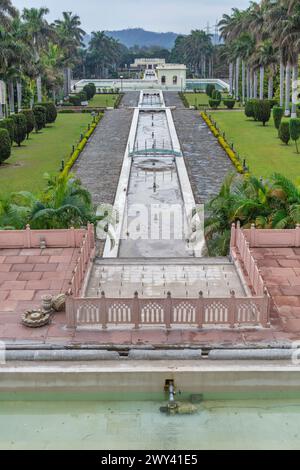
The garden remains open for all days of the week from 7 am to 10 pm. The place is popular not just for the garden but also for the annual Mango Mela. Designed with the amalgamation of Persian, Turkish, and Indian Yadavindra Gardens architecture, the garden is spread over 100 acres.
Yadavindra Gardens, Pinjore: A Serene Retreat Amidst Nature’s Beauty
- The residential palaces in the initial level have been tastefully transformed into a hotel and restaurant.
- After many centuries, Muzaffar Hussain, popularly known as Fidai Khan Koka, the foster brother of Aurangzeb and the man who built the Badshahi Mosque in Lahore, was appointed the governor of Punjab which included this salubrious area.
- The fourth level is known for housing the palace of waters or Jal Mahal.
- Yadvinder Garden was originally built by Fidai Khan, a general of Aurangzeb, the sixth Mughal emperor, in the 17th century.
- The garden was renamed after him and has been a prime location for film shooting.
- When we entered, the water flow was stopped and it was quite hot, so evenings are a better time to visit.
The gardens were built during the 17th century by the Mughal rulers and later renovated by the Maharaja of Patiala, Maharaja Yadavindra Singh, in the 20th century, after whom the gardens are named. Known for its stunning Mughal-style architecture, lush greenery, and serene atmosphere, the gardens offer a perfect getaway for tourists seeking a peaceful escape from the hustle and bustle of city life. Yadavindra Gardens, Pinjore is one of the most beautiful and historic gardens in India, located in the town of Pinjore in the Panchkula district of Haryana, near Chandigarh. Additionally, the gardens house a mini zoo, a historic palace, a Japanese garden, a nursery, and a number of picnic spots, catering to a range of interests.
Sprawling across a vast expanse of terraced slopes, Pinjore Garden Chandigarh offers a harmonious blend of meticulously manicured landscapes and impressive architectural elements. For those seeking a tranquil retreat, a glimpse into royal heritage, or a delightful day out with family and friends, Pinjore Garden Chandigarh promises an unforgettable experience. Escape the hustle and enter a realm of historical elegance and natural beauty at Pinjore Garden Chandigarh, officially known as Yadavindra Gardens. Just a short drive from Chandigarh lies a place where time slows down, and nature takes center stage. Efforts to conserve and preserve Pinjore Garden are ongoing, with the Haryana government and various heritage

Top Places To Visit In Haryana
The garden’s water features are fed by natural springs and are meticulously maintained to ensure a continuous flow. Water plays a central role in the design of Pinjore Garden, with numerous fountains and water channels enhancing its aesthetic appeal. The first terrace, which serves as the main entrance, sets the tone with its grand gateway and Mughal-style pavilions.
Chrysanthemum Show Chandigarh 19 December at Terraced Garden, Sector 33
This Hindu temple is believed to be built between the 8th and 11th centuries. Later during the Patiala dynasty rule, the garden was revived and reformed. The locals started believing that the water and air of Pinjore have got contaminated and they left the beautiful place to never come back. An interesting thing about the garden is that the garden was abandoned due to Goitre, a disease that is caused due to lack of Iodine intake. Situated in the foothills of the Himalayas the garden is home to rare species of flowers and plants. Yadavindra Garden was the ancient name of this beautiful garden of Poinjore.
Other popular Tourist Spots
Also known as Yadavindra Gardens, this Mughal-style garden is famous for its stunning architecture, lush greenery, and vibrant cultural events. So, plan your visit soon, enjoy the greenery, explore the fountains, and soak in the cultural vibes of this beautiful garden near Chandigarh. A restored heritage train has been introduced to visit all the monuments and the gardens in the complex. But Fadai Khan, thoroughly deceived, rarely came back to visit his lovely gardens, and the Rajas and their fields were left in peace for a time." The best time to visit the garden is between September to December and February to May as the weather is pleasant during this time. The garden is built in a traditional Mughal style.
The Yadavindra gardens has been laid in seven terraces, with the main gate of the garden opening into the highest first terrace, which has a palace built in Rajasthani–Mughal style. Beautiful and clean garden with Mughal-style fountains, terraces, palace architecture. His preservation efforts ensured the survival of this rare heritage site, blending its Mughal origins with Sikh patronage.Distinct from traditional Mughal gardens where visitors ascend, Pinjore is unique for its seven descending terraces. Pinjore Garden built on the style of Shalimar Bagh, Srinagar, the garden has been laid in seven terraces, with the main gate of the garden opening into the highest first terrace, which has a palace built in Rajasthani–Mughal style. The gardens cover a vast area of about 100 acres and are beautifully designed in the Mughal style of landscaping, featuring a combination of terraced lawns, fountains, and pathways.
Though Babur held Samarkand briefly, its garden and the concept of charbagh (a quadrilateral garden layout based on the four gardens of Paradise mentioned in the Koran) made a profound impression on him. They were renamed as the Yadavindra Gardens after Yadavindra Singh, the Maharaja of Patiala who ruled from 1938 to 1974 and who restored the garden to its former glory. My first visit to a Mughal garden was many decades ago.