
The Thrill of Uncertainty
The allure of casino games lies significantly in the thrill of uncertainty they provide. Players enter the gaming environment not knowing whether they will win or lose, creating a rush of excitement with each spin of the wheel or flip of a card. This unpredictability taps into a fundamental aspect of human psychology: our inherent attraction to risk and reward. For those looking to enhance their gaming experience, checking out an illinois casino deposit bonus can be an appealing option. The adrenaline released during these moments can be intoxicating, making players crave that next rush.
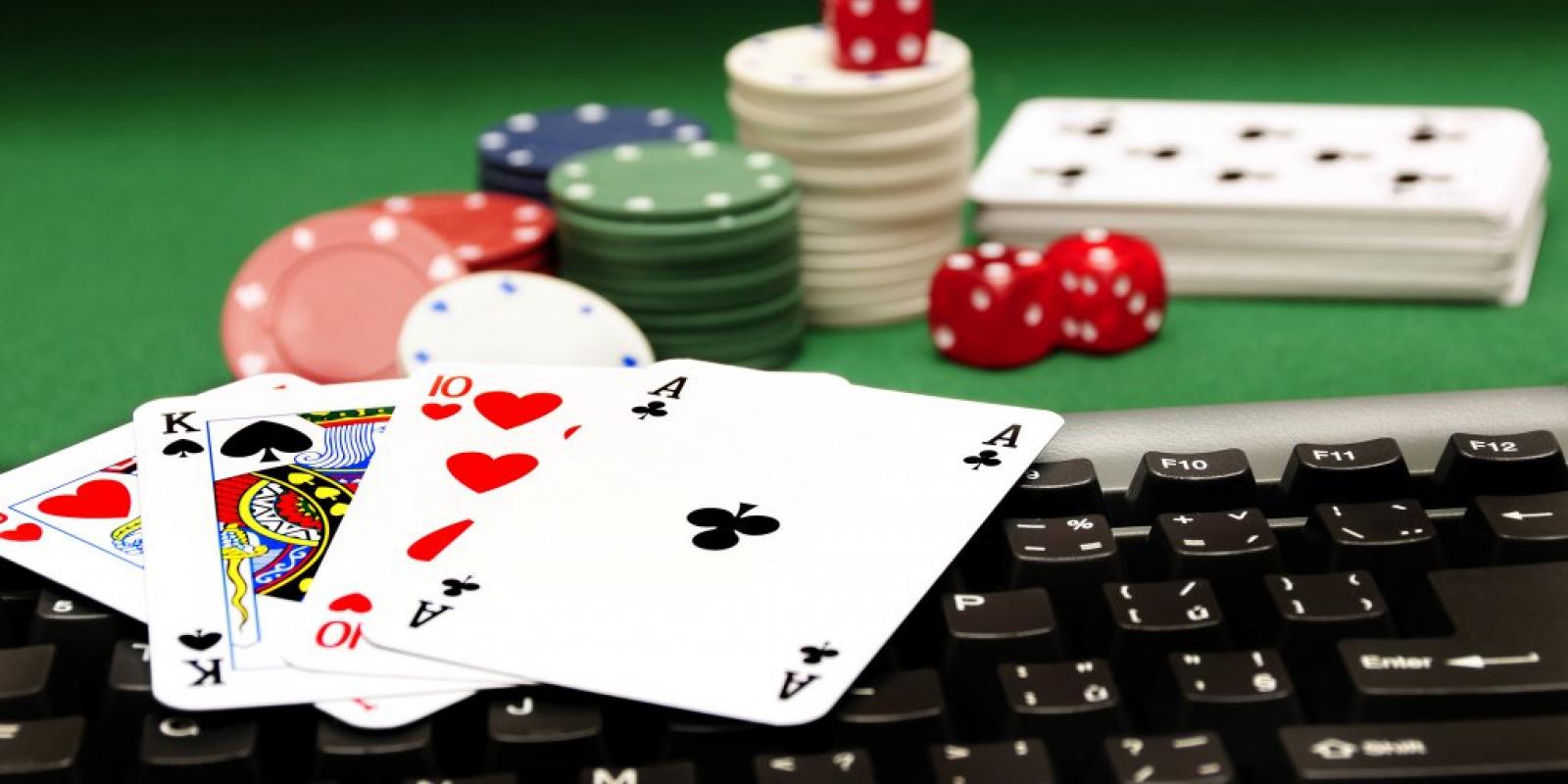
This thrill is often amplified by the near-miss phenomenon, where players come so close to winning that it heightens their desire to continue playing. This psychological trick can lead to a cycle of engagement, where the anticipation of a potential win can overshadow the reality of losses, fueling a complex relationship with gambling.
The Social Experience of Gambling
Another compelling reason people are drawn to casino games is the social element they offer. Casinos are vibrant environments filled with people from all walks of life, creating opportunities for social interaction and camaraderie. Whether it’s sharing a table with strangers, chatting with other players, or celebrating wins as a group, the communal aspect adds a layer of enjoyment that enhances the gaming experience.
Moreover, the social validation that comes from being in a bustling casino can boost players’ self-esteem. Winning in front of others can lead to feelings of pride and accomplishment, while losses can evoke a sense of solidarity when shared with fellow players. This blend of competition and connection keeps people returning, seeking both personal and social gratification.
Cognitive Biases and Gambling
Human cognition is filled with various biases that influence decision-making, and many of these biases play a vital role in the popularity of casino games. The illusion of control is a common cognitive bias where players believe they can influence the outcome of games that are primarily based on chance. This belief encourages continued play, as players feel empowered despite the odds being against them.
Additionally, the gambler’s fallacy—the belief that past events can influence future outcomes—can lead players to make irrational betting decisions. For example, if a player sees a particular number not winning for several spins, they may feel it is “due” to win soon. This misinterpretation of probability can keep players engaged, often leading them to gamble more than they initially planned.
Addiction and the Reward System
The combination of excitement, social connection, and cognitive biases can create an environment ripe for addiction. Casino games are designed to engage players’ reward systems, releasing dopamine in response to wins. This chemical response reinforces the behavior, making players want to chase the feeling of winning over and over again.
While many players gamble recreationally, others may develop problematic gambling behaviors. Understanding the psychological mechanisms at play can help individuals recognize when their love for games transforms into a detrimental habit. Education about the signs of gambling addiction is crucial, allowing players to enjoy the thrill without the associated risks.

Valuable Resources for Responsible Gaming
For individuals interested in exploring the psychological aspects of casino games further, the right resources can provide support and guidance. Various organizations offer tools and information on responsible gaming, helping players understand their behaviors and set healthy limits. Knowing that there are accessible platforms for assistance can empower players to enjoy the excitement of casino games while staying mindful of their gambling habits.
By navigating through educational content designed for responsible gaming, players can engage with their favorite games in a more balanced manner. This approach fosters a healthier relationship with gambling, allowing individuals to appreciate the thrill without losing sight of their well-being.